Basic Step by Step for a Broken Denture

Do not make the mistake of waiting to have your dentures repaired!

Even if it’s just a loosened part or hairline crack in your denture, do not brush it aside as a small issue. Many denture wearers ignore or delay smaller repair works only to find the damage become more difficult – and expensive – to fix later on.

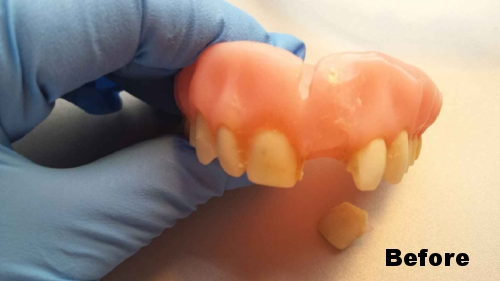
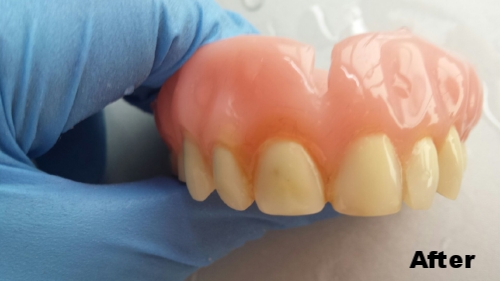
Resist the temptation to fix your denture yourself with the help of a DIY kit. It is important to understand that most commercial glues are not effective or safe to use to repair dentures. The way we repair dentures is to remove a small section of the denture base material and reapply a new section. The acrylic that your denture is made from bonds readily to itself, but commercially available glues are not effective or safe to use in your mouth.

 Step by step for a broken denture

  1. First of all - don’t panic!

  2. Collect all the pieces and check if they go back together.

  3. Put all the pieces in a plastic bag.

  4. Call DenturePoint on 0400919513 and tell us how the denture broke.

  5. We will then arrange the time for a pick up and look after the rest making sure you are going to get your repaired denture as quick as possible.

Partial Denture Repair.jpg
BEFORE AND AFTER 3.jpg
Screen Shot 2017-05-24 at 7.59.27 pm.png

Mornington Peninsula Magazine, October 2016

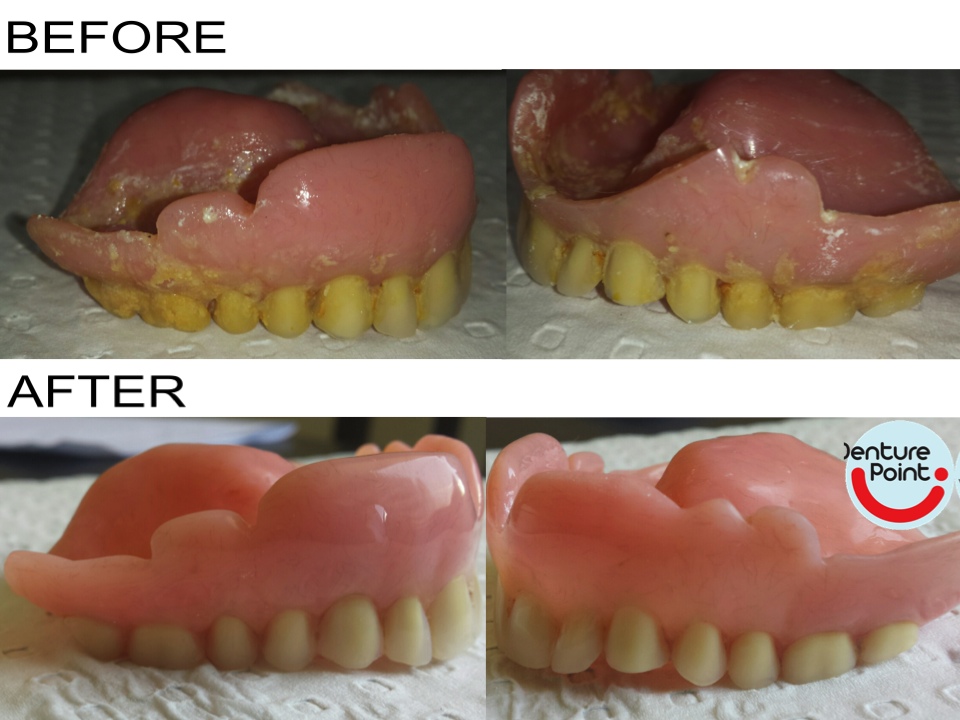
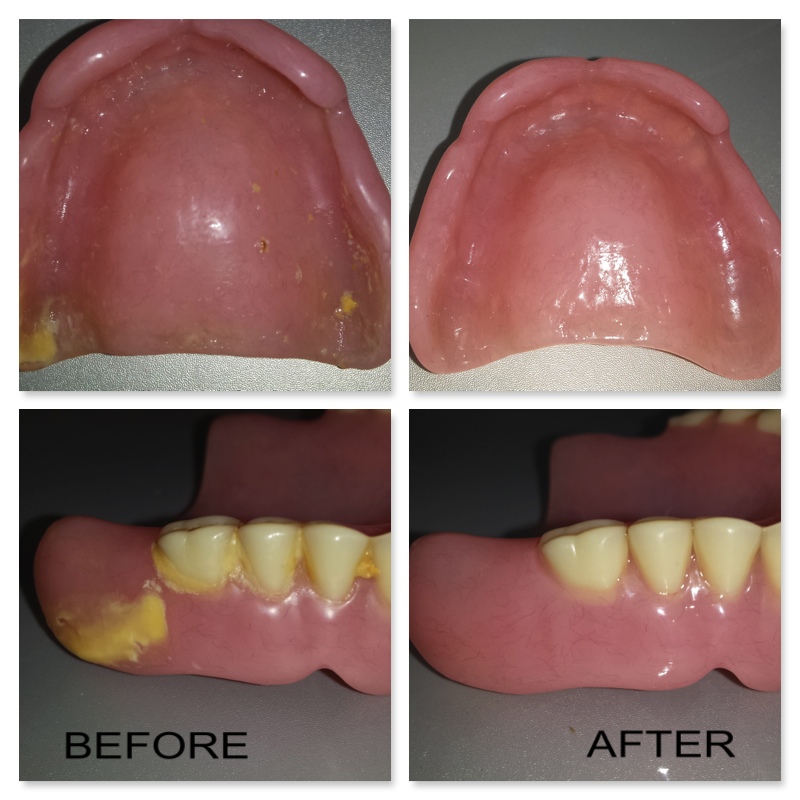
Dirty dentures will make you sick.

Bad breath? Mouth sores? Cracks at the corners of your mouth? 


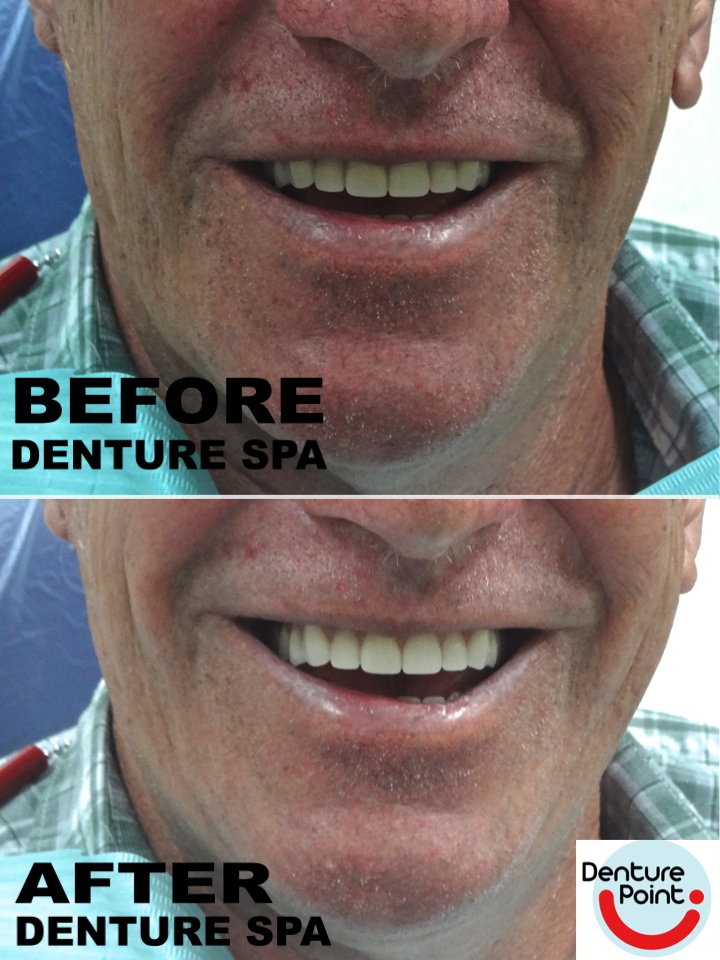
Just like natural teeth, dentures should also be cleaned every six months. Call DenturePoint today and ask about DentureSpa!

Just like natural teeth, dentures should also be cleaned every six months. Call DenturePoint today and ask about DentureSpa!

These are just some of the symptoms that may indicate your dentures are not cleaned well and may be the first signs that harmful bacteria have started to accumulate. To the naked eye your dentures will appear clean and shiny but in fact the surface is full of microscopic pores. These pockmarks are a harbour for pathogens and when your dentures are not cleaned on regular basis they will attach to them.

Recent studies from the U.S. and UK indicate that bad hygiene of your false teeth leads to systemic disease and even put you at risk for heart disease. The scientists have isolated Staphylococcus aureus, Streptococcus mutans, Klebsiella pneumoniae, Escherichia coli, and hundreds of other garden-variety germs in acrylic dentures.1,2  Worse, some of the germs such as staphylococcus aureus bacteria are drug resistant and some others such as MRSA live on dentures until they are breathed into the lungs. Then they may cause serious infections, pneumonia and other hard to treat systemic diseases. The bad hygiene of the dentures may also lead to denture induced stomatitis or oral thrush caused by the overgrowth of Candida albicans.

Unfortunately most denture wearers are unaware of the fact that the bad hygiene of their dentures can lead to so many life threatening conditions. They do not perform a routine professional clean ups of their false teeth, which is rated very low on their priority list. Denture owners with low saliva flow should be particularly concerned about the cleanliness of their dentures.  So when you notice inflammation of gums, bad breath, cracks at the corner of your mouth and even mouth sores - don't ignore them! It is a sign that the plaque and bacteria accumulated around your dentures and became toxic. It is also a sign that you are long overdue for a visit to see your dental prosthetist for a professional clean up of your choppers.

For more information and to learn about DentureSpa (a professional denture clean up) please call DenturePoint on 0400919513 or check our website www.denturepoint.com.au 


1 Marsh PD, Percival RS, Challacombe SJ. The influence of denture-wearing and age on the oral microflora. J Dent Res July 1992; 71(7):1374-1381.
2 Shay K. Denture hygiene: a review and update. J Contemp Dent Pract Feb. 2000; 2(1):28-41.


What is a Dental Prosthetist?

Dental Prosthetists are denture experts and mouthguard specialists. They work both in the clinic and in the lab.

Dental technicians on the other hand can only work in the lab and are not allowed direct contact with patients such as impression taking as they were not trained to do that. In order to be able to work in the clinic dental technicians must undergo a further education in prosthetics that qualifies them to provide more specialised services for removable oral appliances and also to allow them direct contact with dental patients.

Some of Dental Prosthetist's tasks include:

  • Performing oral checks up including: oral cancer screenings, TMJ (Temporomandibular Joint) disorders , saliva testing 

  • Taking impressions for dentures and mouthguards

  • Developing appropriate treatment, selecting appropriate materials and techniques depending on the specific patient

  • Performing repair, reline and maintenance services on removable dental prosthesis as required by the patient 

  • Advising their patients on dental hygiene, nutrition and systemic health as a part of comprehensive dental care

  • Referring patients to appropriate specialists

problems-with-complete-dentures-300x267.jpg